

Build a reproducible LLM evaluation worksheet that locks task set definitions, clustered standard errors, chance-corrected grader agreement, and failure slices before reporting aggregate scores.
Great talks. Insightful articles.
Source-backed editorial analysis connecting ideas, claims and shifts across summit stages.
Start here: what a person should approve before an AI agent's tool call runs, and how to test rejection and resume

Featured analysis
Configure RAG chunk size, overlap token budgets, contextual retrieval pooling, and NLI citation verification using grounded framework specifications and retrieval benchmarks.
Build a reproducible LLM evaluation worksheet that locks task set definitions, clustered standard errors, chance-corrected grader agreement, and failure slices before reporting aggregate scores.

Audit AI agents and retrieval workflows against indirect prompt injection by enforcing deterministic tool permission boundaries and outbound domain allowlists.

Validate MCP tool arguments, token audience and permissions before execution. Use a rejection matrix to separate auth, protocol and tool errors.
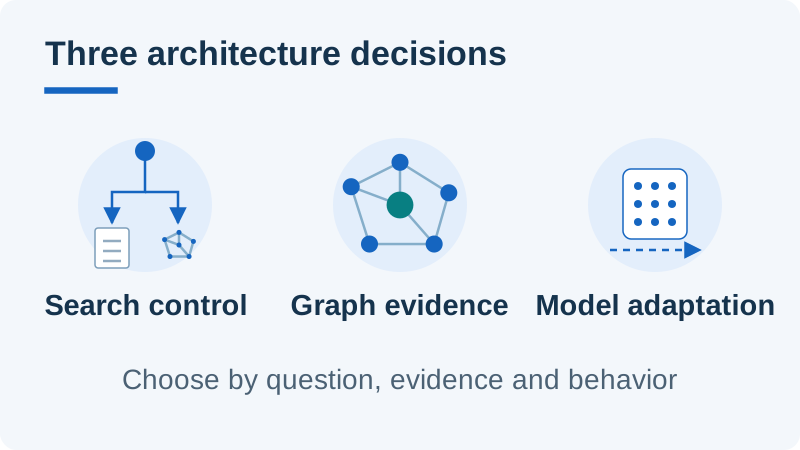
Choose retrieval control, graph context and model training by question type, update path, latency and cost drivers. Includes architecture comparison and acceptance checks.
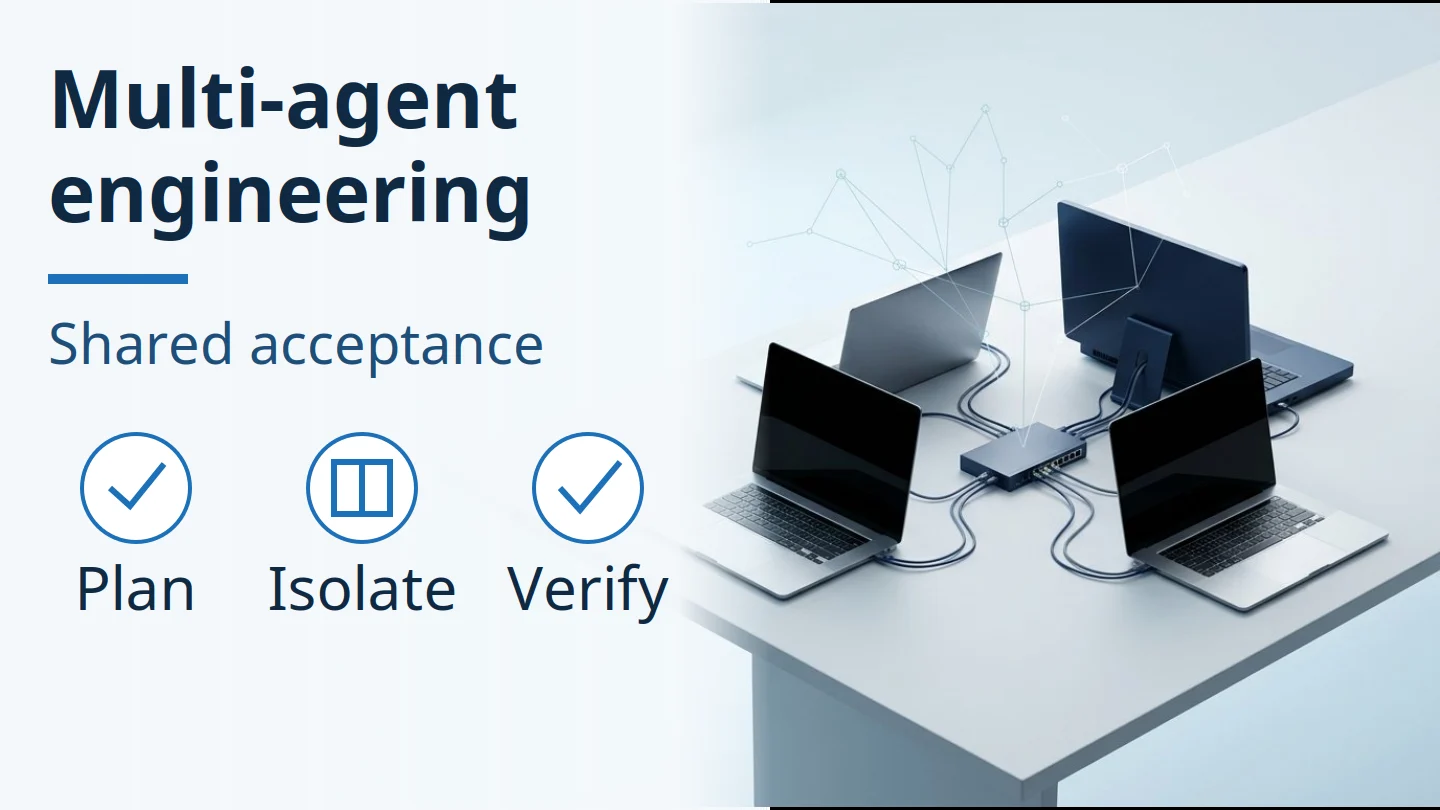
Choose multi-agent software engineering patterns by task dependencies, isolation and verification. Includes an SDLC handoff example and coordination-cost calculation.

Assess sovereign AI architecture, compute control and data residency. Compare access, recovery and governance evidence before choosing a deployment.

Compare Android on-device and cloud AI by device support, model readiness, app state and failure handling. Use a blank checklist before promising offline access.

Compare AI agent observability costs with a worked worksheet for traces, bytes, retention, queries, evaluator tokens, and reviewer time.
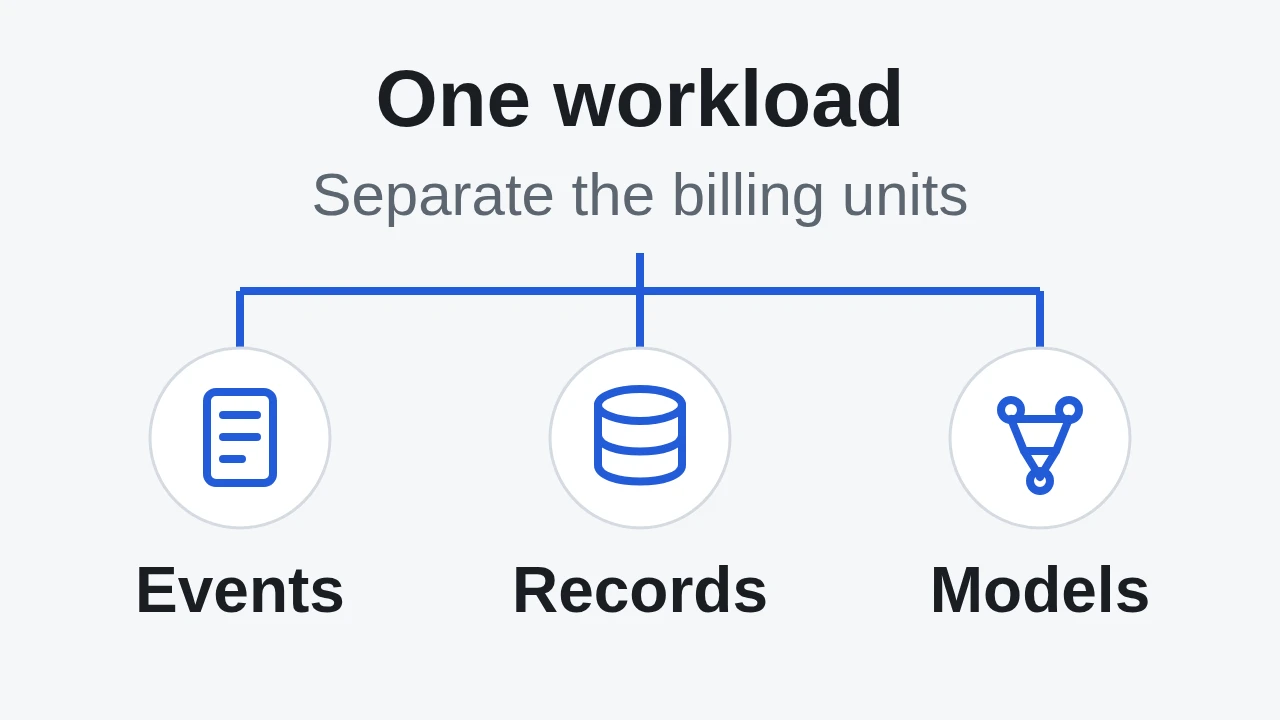
Compare agent memory costs with a shared workload, blank-rate CSV, and worked usage example. Separate event storage, retrieval, extraction, and record retention.
Define human-in-the-loop authorization for AI agents, then test final arguments, rejection, saved state, duplicate dispatch and audit evidence.